Trump imposes sweeping 10-12.5% tariffs on 60 countries Friday

Key Points
- New tariffs between 10% and 12.5% take effect just after midnight Friday on 60 trade partners
- The duties will replace Trump's temporary 10% global tariffs set to expire at the same time
- Tariffs cover 99.4% of U.S. trade and are framed as forced-labor enforcement, according to the Office of the U.S. Trade Representative
The administration proposed these tariffs in early June. The Office of the U.S. Trade Representative declined to provide an estimate of revenue generation, according to CNBC reporting.
The tariff announcement reflects an acceleration of Trump's protectionist agenda after the Supreme Court struck down his global "liberation day" duties on February 20. Hours after that legal loss, Trump announced a worldwide 10% tariff under Section 122 of the 1974 trade law, which came with a 150-day expiration set for 12:01 a.m. ET Friday.
Read Next

Treasury Sanctions BitBank Exchange Behind Iran's Bitcoin Hormuz Tolls
21 hours ago
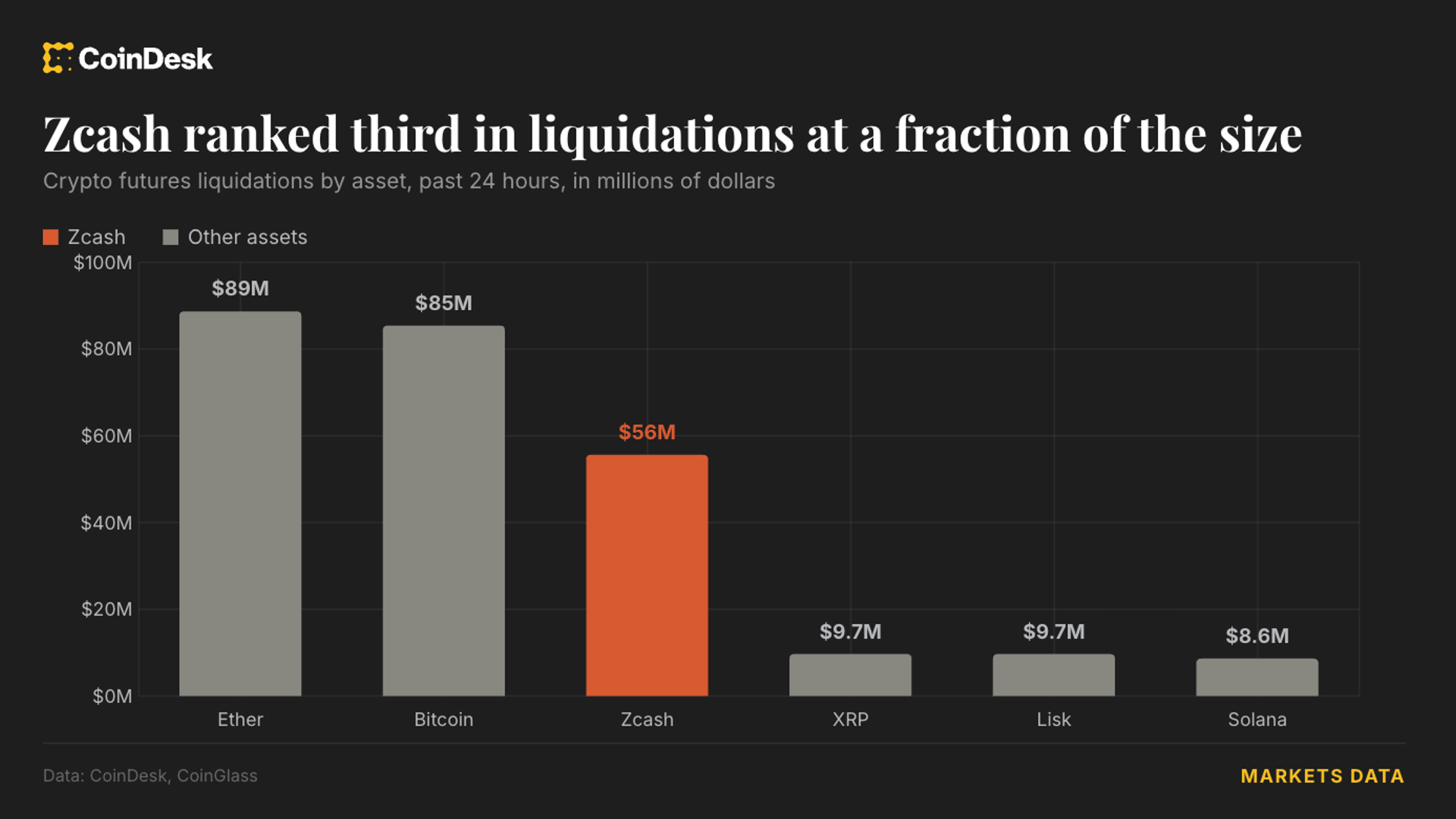
Zcash Jumps 17% as $345M in Crypto Liquidations Hit Traders
1 days ago
The administration has also recently imposed 25% tariffs on most U.S. imports from Brazil, which took effect Wednesday, and announced 50% tariffs on goods from Canada set to begin next month. In March, the Trump administration launched two separate Section 301 investigations: the forced-labor probe that yielded Friday's tariffs, and another centered on excess manufacturing capacity by 16 economies that remains pending.
U.S. Trade Representative Jamieson Greer said in Senate testimony Wednesday: "We commit to continuing to use tariffs and to negotiate deals to support the reindustrialization of our economy, protect American workers, and increase their wages and shrink our trade deficit."
Related coverage: Treasury Sanctions BitBank Exchange Behind Iran's Bitcoin Hormuz Tolls
The expansion of tariffs affects the broadest cross-section of U.S. trading partners since Trump's return to office. The simultaneous expiration of the temporary 10% duties and implementation of the new forced-labor tariffs reveals an intentional design: rather than allowing any tariff-free period, the administration maintains continuous duty coverage while rotating the legal justification and targeted countries.
Market Outlook
The new tariffs will likely face legal challenges based on Section 301 authority, similar to previous Trump tariff disputes. Retaliation from affected trading partners appears probable given the broad 60-country scope. The administration's concurrent probes on manufacturing capacity could trigger additional tariff rounds within months. Global supply chains and U.S. import prices may experience further disruption as companies adjust to the new duty structure.
Sources: CNBC and other international news outlets.
Disclaimer: This article was produced with AI assistance based on publicly available news sources. While we strive for accuracy, NewsOracle makes no warranty as to the completeness or accuracy of the information. Errors and omissions may occur. Readers should independently verify all information before acting on it. NewsOracle does not intend to defame any individual or organisation and accepts no liability for any loss or damage arising from reliance on this content. Content is for informational purposes only and does not constitute legal, financial, medical, or professional advice. All rights reserved. Unauthorised reproduction prohibited.
NewsOracle Editorial
The NewsOracle Markets Desk covers stock markets, cryptocurrency, economic policy and breaking financial news from Wall Street and global exchanges.
Latest coverage: Tariffs