Oil Surpasses $97 After Tanker Strike, Trump Threatens Iran

Key Points
- Tanker struck by unknown projectile 70 nautical miles southwest of Al Shuqaiq, sparking onboard fire with no casualties reported.
- Brent crude gained 1.6% to $95.61 per barrel; U.S. WTI advanced 1.04% to $87.72 per barrel on Thursday.
- Trump threatened to bomb Iranian bridges or power plants for each Iranian attack in Strait of Hormuz; Iran warned of retaliatory strikes on U.S.-linked regional infrastructure.
Iran responded swiftly to Trump's threat. An unnamed Iranian military source told state-run Tasnim News Agency that "If the Americans target a bridge or a power plant in Iran, Iran will, in turn, strike infrastructure and bridges in the region, including energy facilities where the United States has interests."
The recent oil price movement reflects renewed concerns over the Strait of Hormuz following the breakdown of the U.S.-Iran ceasefire, according to analysis from HSBC. Kim Fustier, the bank's senior global oil and gas analyst, said "Since 7-8 July, the ceasefire has frayed as Iranian attacks on vessels transiting the strait of Hormuz prompted U.S. retaliatory strikes," and noted that "The core issue remains unresolved: whether passage is administered, and by whom."
Read Next
Treasury Sanctions BitBank Exchange Behind Iran's Bitcoin Hormuz Tolls
21 hours ago
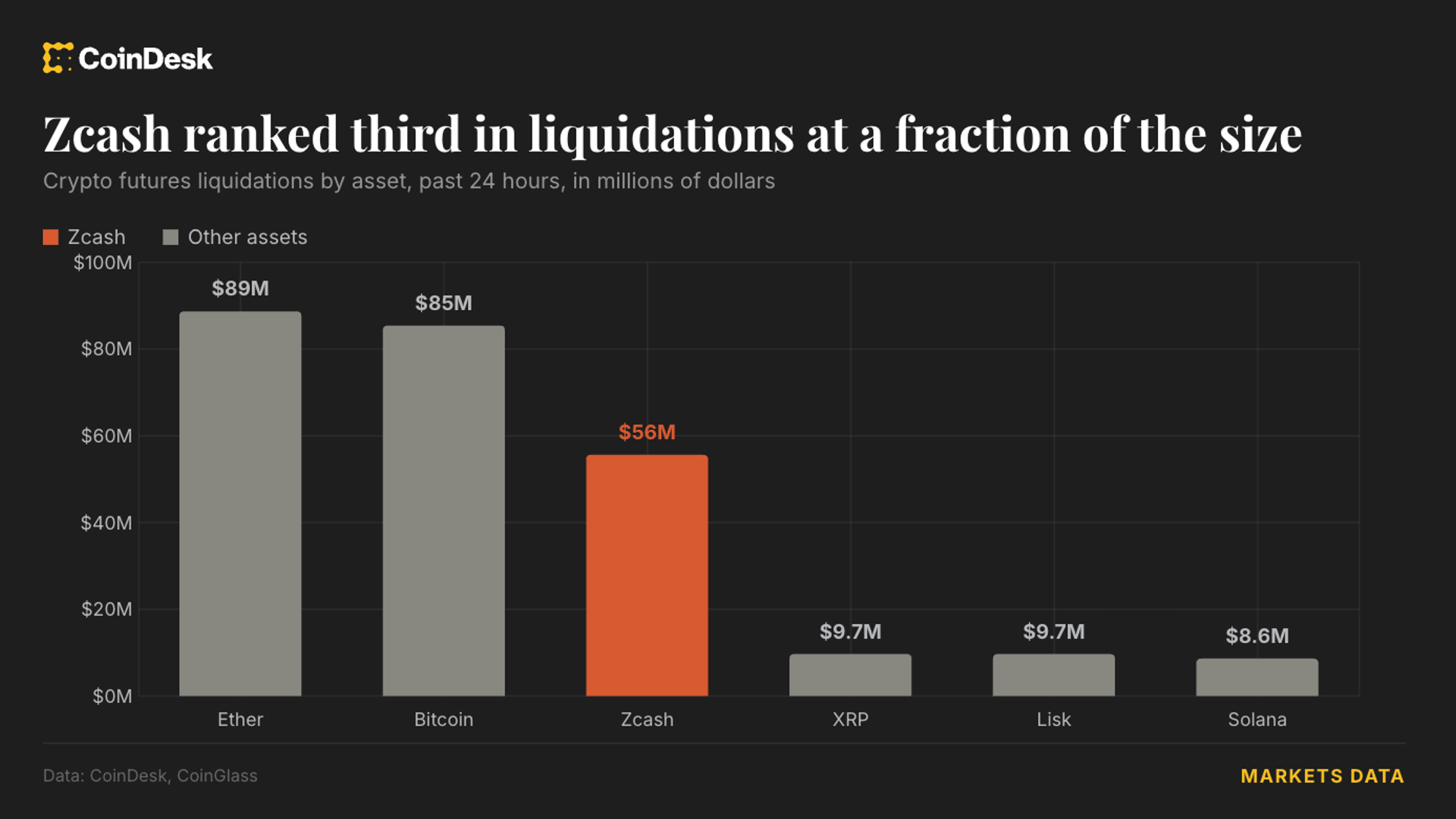
Zcash Jumps 17% as $345M in Crypto Liquidations Hit Traders
1 days ago
Secretary of State Marco Rubio said earlier Wednesday that Iran was not being "serious" about reaching an agreement with Washington, while maintaining that the U.S. remained "committed to diplomacy" in the Middle East.
The pattern emerging from these events reveals an escalating cycle: each Iranian attack prompts a U.S. military response, followed by Trump's public threats of specific infrastructure targeting, which then triggers Iranian counterattack warnings—a dynamic that directly contrasts with Rubio's claim of diplomatic commitment, suggesting market participants are pricing in continued volatility rather than resolution.
Related coverage: Treasury Sanctions BitBank Exchange Behind Iran's Bitcoin Hormuz Tolls
Market Outlook
Oil traders are likely bracing for further price volatility as the Strait of Hormuz tensions persist. HSBC's analyst emphasized that the market outlook now depends on whether diplomacy can restore predictable shipping flows through the critical waterway. If either side follows through on escalation threats, crude prices could test higher levels given that roughly 21% of global petroleum transits the strait.
Sources: CNBC and other international news outlets.
Disclaimer: This article was produced with AI assistance based on publicly available news sources. While we strive for accuracy, NewsOracle makes no warranty as to the completeness or accuracy of the information. Errors and omissions may occur. Readers should independently verify all information before acting on it. NewsOracle does not intend to defame any individual or organisation and accepts no liability for any loss or damage arising from reliance on this content. Content is for informational purposes only and does not constitute legal, financial, medical, or professional advice. All rights reserved. Unauthorised reproduction prohibited.
NewsOracle Editorial
The NewsOracle Markets Desk covers stock markets, cryptocurrency, economic policy and breaking financial news from Wall Street and global exchanges.
Latest coverage: Oil