Oil Rises 0.45% After U.S. Strikes Iran, Reinstates Port Blockade

Key Points
- WTI August futures rose 0.45% to $79.70 per barrel; Brent September futures gained 0.68% to $85.31.
- U.S. Central Command conducted seven-hour operation targeting dozens of Iranian military assets near Strait of Hormuz.
- Naval blockade reinstated on Iranian ports as analysts warn oil could test $100 if hostilities persist.
The military operation started as U.S. forces resumed a naval blockade on vessels traveling to and from Iranian ports earlier in the day. In a subsequent social media statement, Centcom Commander Brad Cooper said Iran had "intentionally" targeted civilians and attacked seven commercial vessels over the previous week, leaving roughly a dozen crew members dead, missing or injured.
Escalation Threatens Global Energy Markets
Read Next
Treasury Sanctions BitBank Exchange Behind Iran's Bitcoin Hormuz Tolls
23 hours ago
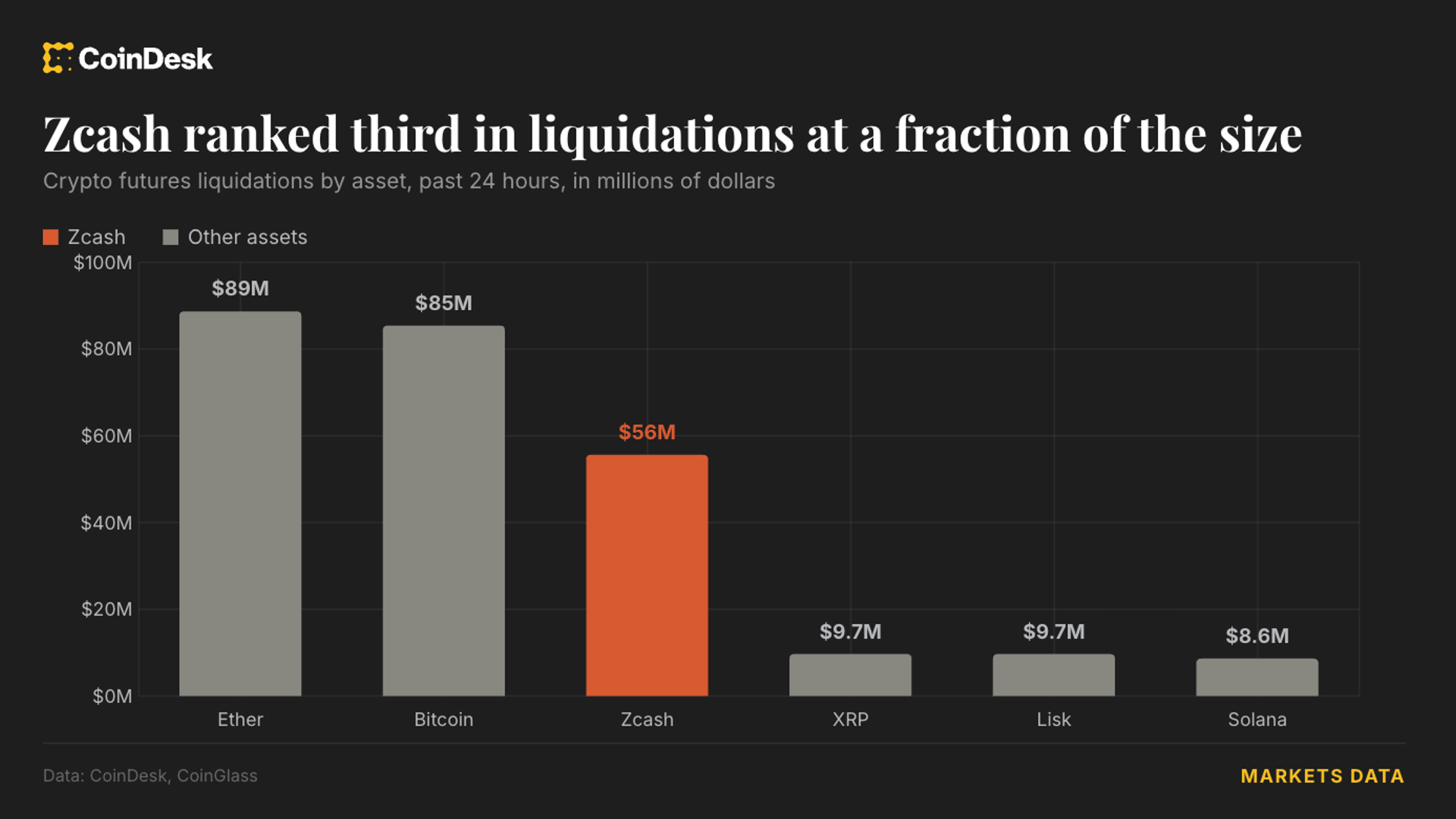
Zcash Jumps 17% as $345M in Crypto Liquidations Hit Traders
1 days ago
The reinstatement of the naval blockade and fresh military strikes marked a significant escalation after earlier expectations for a possible de-escalation. Saul Kavonic, senior energy analyst at Mst Marquee, told CNBC that the hostilities represent a critical turning point. "The latest escalation shows how expectations of a rapid opening of then Strait were premature," Kavonic said in an email. "The hostilities and reimposed blockade set the conflict back on an escalatory trajectory."
Kavonic warned that oil price movements could accelerate sharply if current conditions persist. "Oil could retest $100 if the current intensity of hostilities persist for a few weeks, or head higher still if regional oil infrastructure is targeted," he said. This projection reflects analyst concern that the situation could follow patterns seen in previous Middle Eastern conflicts, where direct attacks on energy infrastructure triggered far steeper price spikes than military strikes alone.
Related coverage: Treasury Sanctions BitBank Exchange Behind Iran's Bitcoin Hormuz Tolls
The current price action masks underlying market anxiety about supply disruption. While the 0.45% gain in WTI appears modest, traders remain highly sensitive to any indication that the blockade could tighten further or that Iranian or retaliatory strikes could damage oil facilities. The Strait of Hormuz handles roughly one-third of global seaborne oil trade, making any prolonged disruption a significant concern for energy-dependent economies worldwide.
The seven-hour operation and reinstatement of the blockade signal that both sides view the conflict as entering a new phase rather than moving toward resolution. Analysts note that previous attempts to contain Middle Eastern conflicts have often lasted months or years once military operations resumed, raising questions about the duration and ultimate cost to global energy supplies.
Why this matters: If you drive a car, heat your home with oil, or invest in energy stocks, prolonged escalation in the Strait of Hormuz could directly affect your wallet. Even moderate price increases compound across supply chains, raising costs for goods, transportation, and heating. Energy investors should monitor whether blockade restrictions tighten or whether regional infrastructure becomes a target, either of which could push WTI well above current levels.
Market Outlook
Oil prices face upward pressure if U.S.-Iran hostilities sustain intensity over coming weeks. Analysts expect WTI could approach or exceed $100 per barrel if blockade restrictions tighten or if Iranian or regional infrastructure becomes a military target. Current modest gains reflect market uncertainty about whether escalation will persist or stabilize.
Sources: CNBC and other international news outlets.
Disclaimer: This article was produced with AI assistance based on publicly available news sources. While we strive for accuracy, NewsOracle makes no warranty as to the completeness or accuracy of the information. Errors and omissions may occur. Readers should independently verify all information before acting on it. NewsOracle does not intend to defame any individual or organisation and accepts no liability for any loss or damage arising from reliance on this content. Content is for informational purposes only and does not constitute legal, financial, medical, or professional advice. All rights reserved. Unauthorised reproduction prohibited.
Markets Desk
The NewsOracle Markets Desk covers stock markets, cryptocurrency, economic policy and breaking financial news from Wall Street and global exchanges.
Latest coverage: Oil