June Inflation Cools More Than Expected as Gas Falls

Key Points
- Inflation in June showed a larger-than-expected decline driven by falling gas costs
- Underlying inflation pressures also eased, indicating broader disinflation trends
- The data suggests monetary policy efforts are beginning to show measurable results
Progress in Anti-Inflation Efforts
The June data represents continued progress in the Federal Reserve's multi-year effort to return inflation to its 2 percent target. After years of inflation running well above target levels, recent monthly reports have shown a general downward trajectory, though the pace has been uneven. This latest report suggests the deceleration is accelerating, with both headline and core measures moving in the right direction simultaneously.
Read Next

Treasury Sanctions BitBank Exchange Behind Iran's Bitcoin Hormuz Tolls
23 hours ago
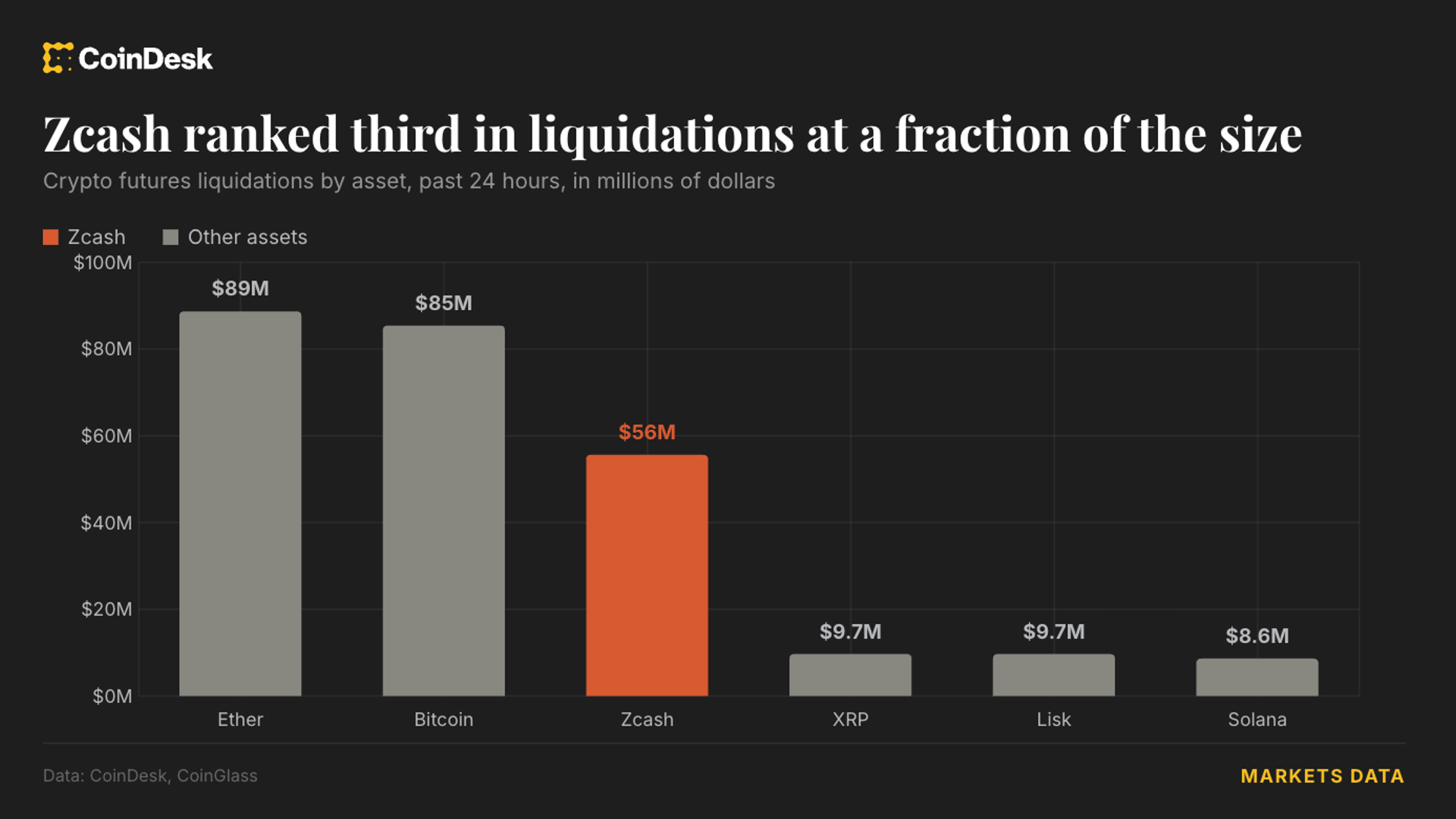
Zcash Jumps 17% as $345M in Crypto Liquidations Hit Traders
1 days ago
The combination of cooling headline and core inflation is noteworthy because achieving broad-based disinflation while managing economic growth remains a central challenge for policymakers. When only one measure improves while the other remains sticky, it can suggest underlying structural inflation persists. June's performance on both fronts strengthens the case that inflationary pressures are genuinely moderating across the economy.
The improvement in underlying prices is particularly important for Fed policymakers, as this metric more accurately reflects sustained inflation dynamics. If core inflation continues to decline at the pace suggested by June's data, it would support consideration of interest rate adjustments that could provide relief to borrowers who have faced elevated rates throughout the Fed's tightening cycle.
Related coverage: Treasury Sanctions BitBank Exchange Behind Iran's Bitcoin Hormuz Tolls
Consumers have experienced meaningful impacts from elevated inflation and the subsequent rate increases designed to combat it. Mortgage rates, auto loans, credit card interest, and other borrowing costs have all risen substantially since the Fed began raising rates in March 2022. Any moderation in inflation that supports lower rates would provide direct relief to households managing debt obligations.
The June inflation report arrives as the Fed continues to assess whether its policy stance remains appropriate given economic conditions. Policymakers have consistently signaled they need to see more evidence that inflation is durably declining before reducing rates. This report provides that evidence, though officials typically want to see a pattern of continued improvement rather than a single month's data point.
Why this matters: If you have a mortgage, auto loan, or credit card balance, inflation trends directly affect your monthly payments and interest costs. Lower inflation readings support the possibility of interest rate cuts, which would reduce borrowing costs across the economy and put more money back in your pocket each month.
Market Outlook
If June's momentum continues with similar inflation readings in coming months, the Fed is likely to begin cutting interest rates in the second half of 2024. However, any reversal toward higher inflation could reset expectations. Markets currently anticipate rate cuts, but three consecutive months of cooling inflation would significantly increase their probability.
Sources: AP News and other international news outlets.
Disclaimer: This article was produced with AI assistance based on publicly available news sources. While we strive for accuracy, NewsOracle makes no warranty as to the completeness or accuracy of the information. Errors and omissions may occur. Readers should independently verify all information before acting on it. NewsOracle does not intend to defame any individual or organisation and accepts no liability for any loss or damage arising from reliance on this content. Content is for informational purposes only and does not constitute legal, financial, medical, or professional advice. All rights reserved. Unauthorised reproduction prohibited.
Markets Desk
The NewsOracle Markets Desk covers stock markets, cryptocurrency, economic policy and breaking financial news from Wall Street and global exchanges.
Latest coverage: Inflation