Dow S&P 500 Nasdaq Fall as US-Iran Tensions Escalate Oil Surges
Key Points
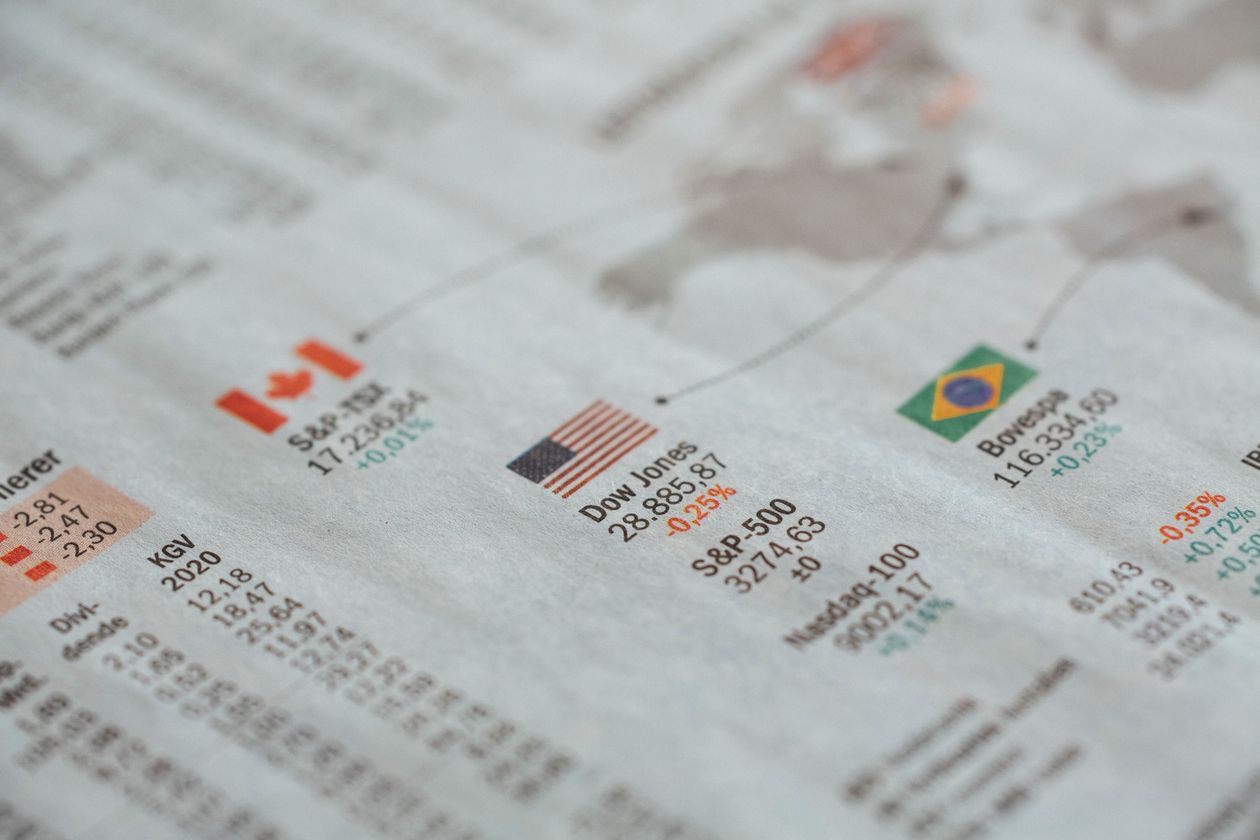
- The Dow, S&P 500, and Nasdaq all declined as geopolitical tensions between the US and Iran intensified.
- Oil prices surged in response to escalating US-Iran tensions.
- Market weakness reflects investor concerns about potential Middle East conflict impacts on energy costs.
Oil Volatility Drives Market Uncertainty
Geopolitical tensions in the Middle East have long served as a catalyst for sharp movements in crude oil markets, which in turn ripple through equity valuations. When oil prices spike due to conflict concerns, financial markets typically experience downward pressure as investors anticipate higher inflation and slower economic growth. The current escalation between the U.S. and Iran follows a pattern seen during previous Middle East crises, though each incident carries unique implications for global energy infrastructure.
Read Next
Treasury Sanctions BitBank Exchange Behind Iran's Bitcoin Hormuz Tolls
23 hours ago
Zcash Jumps 17% as $345M in Crypto Liquidations Hit Traders
1 days ago
The market reaction demonstrates how external geopolitical events override other trading considerations. Even when economic data or corporate earnings might otherwise support equities, heightened tensions can overwhelm positive sentiment and trigger defensive positioning. Investors moved to reduce exposure to cyclical sectors most vulnerable to energy price shocks.
The decline across the Dow, S&P 500, and Nasdaq indicates that no major equity segment escaped the selloff. Large-cap stocks, mid-cap stocks, and technology shares all experienced pressure as a broad-based rotation toward defensive assets gained momentum. This kind of synchronized decline across indices suggests systematic risk-off sentiment rather than isolated weakness in particular market segments.
Related coverage: Treasury Sanctions BitBank Exchange Behind Iran's Bitcoin Hormuz Tolls
Market participants focused on how prolonged or escalating tensions might affect crude supplies and global economic growth prospects. The geopolitical premium embedded in oil prices has historically proved difficult to predict, as developments in U.S.-Iran relations can shift rapidly. Investors factored in multiple scenarios ranging from diplomatic de-escalation to potential military confrontation.
The market action underscores the persistent sensitivity of financial markets to Middle East geopolitical events. Oil's role as both a crucial input to global economic activity and a flashpoint for international tensions makes it a uniquely consequential asset for equity valuations. When crude prices move sharply, the downstream effects on consumer prices, corporate profitability, and monetary policy expectations follow quickly.
Market observers noted that escalating U.S.-Iran tensions typically pressure equities until either diplomatic resolution occurs or markets develop confidence that supply disruptions will remain limited. The timeframe for such resolution directly influences how long equity weakness persists.
Why This Matters
If you hold stocks in your portfolio or retirement account, this market pullback directly affects your account value. Higher oil prices resulting from Middle East tensions increase costs for companies ranging from airlines to shipping firms to manufacturers, which eventually translates to lower corporate profits and stock prices. Additionally, if geopolitical tensions intensify further, continued market weakness could erode your portfolio's gains and force you to reassess your risk tolerance and asset allocation strategy.
Market Outlook
Markets will likely remain under pressure until U.S.-Iran tensions stabilize or de-escalate. Oil price movements will continue driving equity sentiment, with further escalation potentially triggering additional selloffs across equities. Investors may rotate toward defensive sectors and dividend-paying stocks as geopolitical uncertainty persists through the near term.
Sources: Yahoo Finance and other international news outlets.
Disclaimer: This article was produced with AI assistance based on publicly available news sources. While we strive for accuracy, NewsOracle makes no warranty as to the completeness or accuracy of the information. Errors and omissions may occur. Readers should independently verify all information before acting on it. NewsOracle does not intend to defame any individual or organisation and accepts no liability for any loss or damage arising from reliance on this content. Content is for informational purposes only and does not constitute legal, financial, medical, or professional advice. All rights reserved. Unauthorised reproduction prohibited.
Markets Desk
The NewsOracle Markets Desk covers stock markets, cryptocurrency, economic policy and breaking financial news from Wall Street and global exchanges.
Latest coverage: S&P 500