Fed Officials Signal Higher Rates May Be Needed to Address Economic Risks

Key Points
- WASHINGTON — Federal Reserve officials have identified risks in the economic outlook that could justify maintaining higher interest rates, according to reporting from the Wall Street Journal.
- The WSJ report indicates that Fed policymakers have flagged specific concerns that, if they materialize or intensify, would support the case for keeping rates elevated rather than cutting them in the near term. This signals the central bank's continued vigilance regarding inflation pressures and other economic headwinds that officials believe warrant a more restrictive monetary policy stance.
- The identification of these risks reflects ongoing debate within the Federal Reserve about the appropriate path for interest rates. While some policymakers have suggested the possibility of rate cuts if economic conditions warrant them, others have emphasized the importance of maintaining higher rates to combat persistent inflationary pressures and ensure price stability.
Fed's Evolving Rate Strategy
The flagging of these risks by Fed officials underscores the central bank's data-dependent approach to monetary policy. Rather than committing to a predetermined course, policymakers are carefully monitoring economic indicators to determine whether conditions have improved enough to justify lower rates or whether rates should remain higher to address emerging threats.
Read Next

Treasury Sanctions BitBank Exchange Behind Iran's Bitcoin Hormuz Tolls
23 hours ago
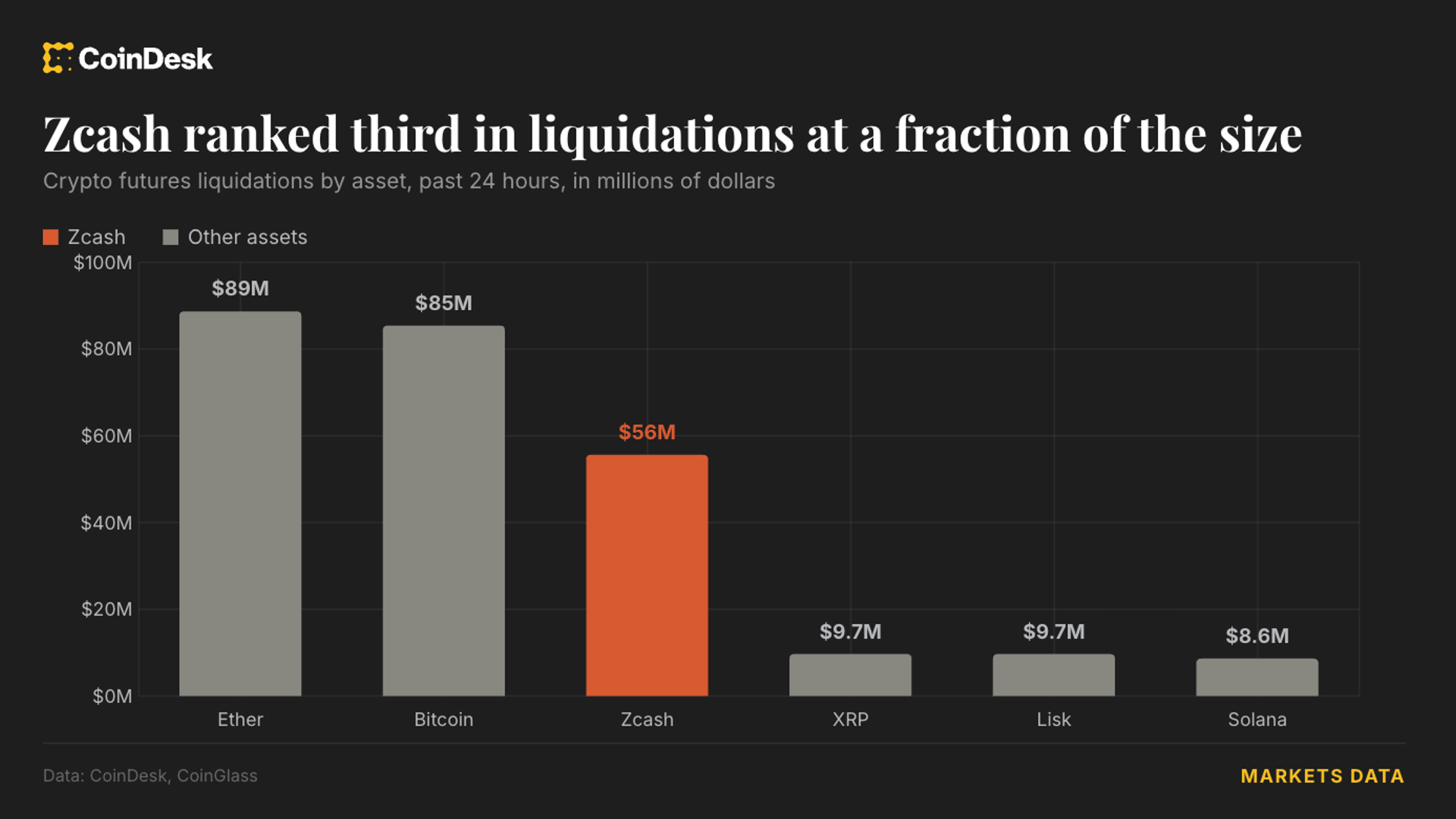
Zcash Jumps 17% as $345M in Crypto Liquidations Hit Traders
1 days ago
The Wall Street Journal's reporting on these internal discussions provides insight into the thinking among Fed officials as they navigate complex economic crosscurrents. The identification of risks that could warrant higher rates suggests officials are taking a cautious stance on rate cuts and remain concerned about potential upside inflation surprises or other economic vulnerabilities.
This messaging aligns with recent public statements from Federal Reserve leadership emphasizing the importance of data and economic conditions in guiding policy decisions. The central bank has consistently stated that rate cuts should not be expected until there is greater confidence in inflation moving sustainably toward the 2 percent target.
Related coverage: Treasury Sanctions BitBank Exchange Behind Iran's Bitcoin Hormuz Tolls
The implications of these flagged risks extend across financial markets and the broader economy. If Fed officials determine that the identified risks are indeed materializing, any shift toward higher rates could affect borrowing costs for consumers and businesses, potentially influencing spending, investment, and employment decisions throughout the economy.
Why this matters: The Fed's identification of risks warranting higher rates signals the central bank may maintain restrictive policy longer than some market participants anticipate, potentially keeping borrowing costs elevated for mortgages, auto loans, and business credit lines throughout the economy.
Market Outlook
Federal Reserve officials are likely to maintain a hawkish bias on rates in upcoming policy meetings, with rate cuts potentially delayed further into 2024 or beyond. Markets may experience volatility as investors reassess expectations for the timing and magnitude of future rate reductions.
Sources: WSJ and other international news outlets.
Disclaimer: This article was produced with AI assistance based on publicly available news sources. While we strive for accuracy, NewsOracle makes no warranty as to the completeness or accuracy of the information. Errors and omissions may occur. Readers should independently verify all information before acting on it. NewsOracle does not intend to defame any individual or organisation and accepts no liability for any loss or damage arising from reliance on this content. Content is for informational purposes only and does not constitute legal, financial, medical, or professional advice. All rights reserved. Unauthorised reproduction prohibited.
Markets Desk
The NewsOracle Markets Desk covers stock markets, cryptocurrency, economic policy and breaking financial news from Wall Street and global exchanges.
Latest coverage: Fed