Iran Fuel Crisis Deepens: 15 Million Liters Daily Shortage
Key Points
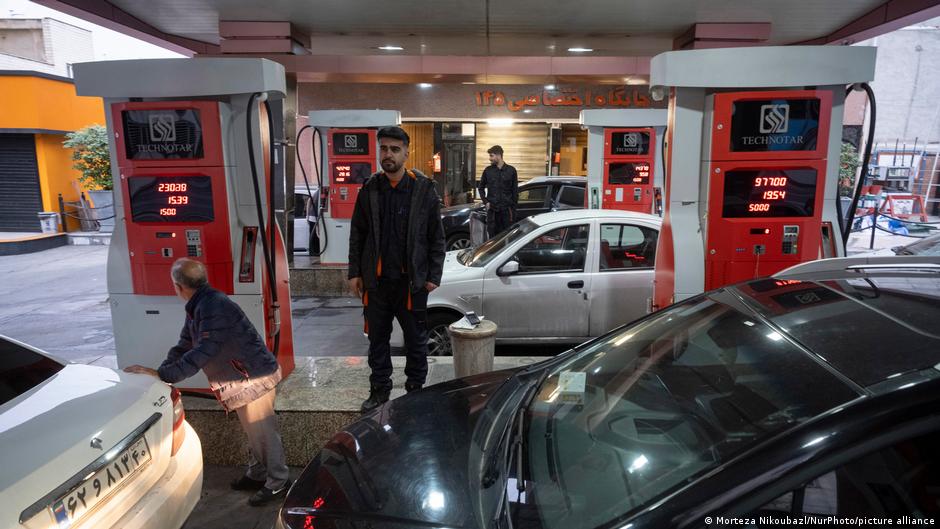
- Iran faces a daily gasoline deficit of roughly 15 million liters as of September 2026, with drivers reporting hours-long waits at filling stations.
- A resident of Karaj told DW that some stations were limiting purchases to around 5 liters per customer and had wait times of 45 minutes or longer.
- Persian Gulf Star Oil Company chief Vahid Ghaneifard confirmed the refinery began testing methanol as an oxygenate in gasoline at approximately 0.5 percent concentration.
Methanol Testing Amid Quality Concerns
Vahid Ghaneifard, chief executive of Persian Gulf Star Oil Company, recently confirmed that the refinery had begun testing methanol as an oxygenate in its gasoline. The company reports methanol makes up around 0.5 percent of the mixture, while Iran's refining authorities say the national fuel standard permits methanol concentrations of up to 3 percent. Officials insist the trial complies with technical requirements.
Read Next

Gaza War Three Years: 1 in 10 Pre-War Population Killed or Wounded
9 days ago
Conservatives Pledge £10bn for 'Britannia Shield' Air Defence System
10 days ago
The timing of the methanol introduction has fueled public suspicion about fuel quality. Videos shared on social media show motorists holding bottles of unusually clear fuel and claiming that gasoline quality has deteriorated, though no independent verification of these claims has been reported.
The shortage stems from three compounding factors: war damage to refining infrastructure, difficulties importing refined products, and the tightening US blockade announced just days before the visible shortages began spreading across Iranian cities. For truck drivers whose earnings depend directly on keeping their vehicles moving, the shortage translates to rising insurance, tire, oil, repair and maintenance costs accumulating daily.
Related coverage: Gaza War Three Years: 1 in 10 Pre-War Population Killed or Wounded
The scale of Iran's fuel deficit — 15 million liters daily — represents a structural problem that has existed for years but is now being amplified by external pressures. The visible impact on ordinary Iranians in cities from Tehran to Karaj underscores how sanctions and conflict compound existing economic weaknesses into immediate hardship.
Related Guide: Read our complete guide →
What Happens Next
Iran may attempt to increase domestic refining capacity or negotiate sanctions relief to address the shortage. Officials could implement rationing through fuel cards or price increases, following the pattern of previous crises. The methanol testing may expand if refined fuel imports remain constrained, risking further public discontent over fuel quality despite official assurances of compliance with standards.
Sources: DW and other international news outlets.
Disclaimer: This article was produced with AI assistance based on publicly available news sources. While we strive for accuracy, NewsOracle makes no warranty as to the completeness or accuracy of the information. Errors and omissions may occur. Readers should independently verify all information before acting on it. NewsOracle does not intend to defame any individual or organisation and accepts no liability for any loss or damage arising from reliance on this content. Content is for informational purposes only and does not constitute legal, financial, medical, or professional advice. All rights reserved. Unauthorised reproduction prohibited.
NewsOracle Editorial
The NewsOracle Politics Desk covers US politics, Congress, the White House, Supreme Court, global elections and international relations.
Latest coverage: Iran