Trump Says Iran Talks Underway; Tehran Denies Negotiations on August 6
Key Points
- US President Donald Trump said on Monday, August 6, 2026, that negotiations with Iran were ongoing over the Strait of Hormuz.
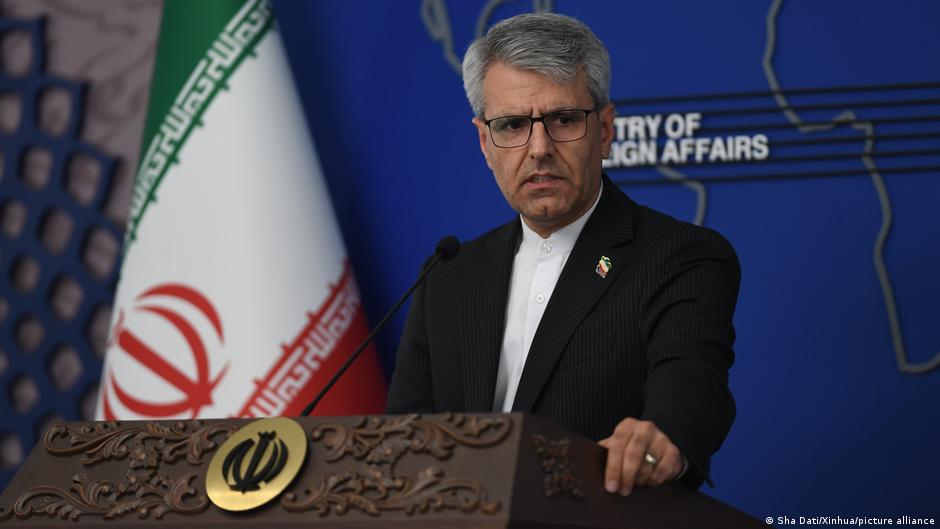
- Iran's Foreign Ministry spokesperson Esmaeil Baghaei confirmed talks with Oman about shipping routes, but denied direct negotiations with Washington.
- Only six commercial vessels crossed the Strait of Hormuz on Monday, down from seven the previous day, according to maritime analytics firm Kpler.
Competing Positions on Strait Access
The Strait of Hormuz has become the central dispute. Commercial traffic through the key waterway remains severely restricted, with ships facing attacks near the passage. According to maritime analytics company Kpler data cited by Reuters, only six commercial vessels crossed the route on Monday, August 6, down from seven the previous day.
Read Next

Iran GDP Falls 10.1% as Oil Sector Shrinks 26.4% During War
8 hours ago
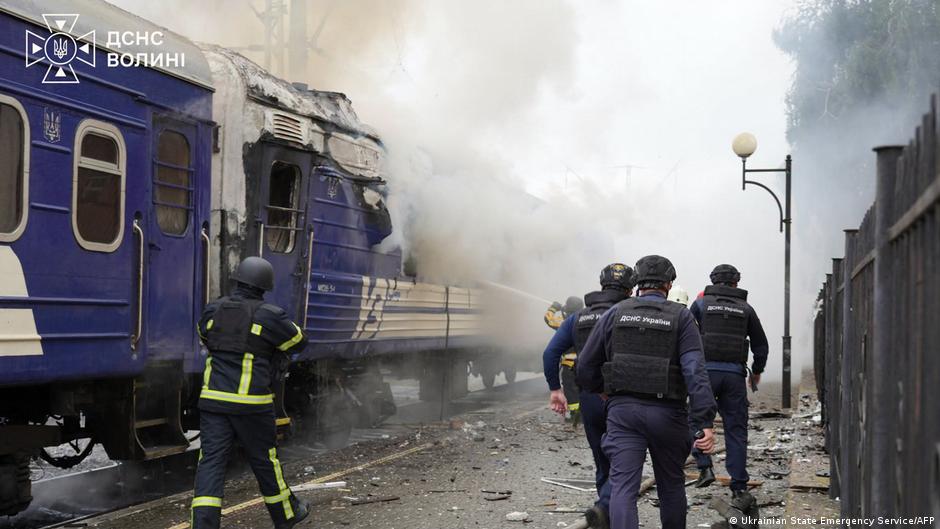
Ukraine Ramps Up Railway Protection Against 1,600 Russian Drone Attacks
1 days ago
Iran wants some measure of control over vessels entering the Persian Gulf to be recognized. The United States wants the strait fully reopened to unrestricted international shipping. Babak Dorbeiki, a London-based political analyst and former official at Iran's Strategic Research Center, told DW that these positions cannot easily be reconciled. "Iran wants control over vessels entering the strait, while the United States wants completely free passage," Dorbeiki said.
Trump's description of the indirect channel as negotiations serves his domestic political need to show that military and economic pressure has brought Tehran back to the table. Iran avoids the same terminology because acknowledging negotiations with Washington could be characterized by its domestic opponents as surrender, Dorbeiki explained.
Related coverage: Iran GDP Falls 10.1% as Oil Sector Shrinks 26.4% During War
The contradictory messages also reflect divisions between rival political factions inside Iran. Dorbeiki identified a faction he described as the "development and reconstruction through agreement" camp, which believes that without sanctions relief and the reopening of Hormuz, Iran's economy cannot recover or even sustain itself.
The uncertainty surrounding the key waterway has affected global markets. Recent hopes of diplomatic progress pushed oil prices lower and helped stock markets rise, though these movements reflected market sensitivity to strait developments rather than evidence that the crisis had been resolved. Iran's Foreign Ministry says Iran and Oman are close to agreeing on a new shipping route through the blocked Strait of Hormuz, offering one potential path forward.
What Happens Next
The diplomatic process will likely continue through the Omani intermediary despite public messaging differences. Both sides face pressure to resolve the Strait of Hormuz crisis—Washington from regional allies, Tehran from economic necessity—but the fundamental gap between requiring unrestricted shipping versus Iranian control measures suggests negotiations will progress slowly or stall if either side hardens its position.
Sources: DW and other international news outlets.
Disclaimer: This article was produced with AI assistance based on publicly available news sources. While we strive for accuracy, NewsOracle makes no warranty as to the completeness or accuracy of the information. Errors and omissions may occur. Readers should independently verify all information before acting on it. NewsOracle does not intend to defame any individual or organisation and accepts no liability for any loss or damage arising from reliance on this content. Content is for informational purposes only and does not constitute legal, financial, medical, or professional advice. All rights reserved. Unauthorised reproduction prohibited.
NewsOracle Editorial
The NewsOracle Politics Desk covers US politics, Congress, the White House, Supreme Court, global elections and international relations.
Latest coverage: Trump, Iran