Putin Signs Russia's First Crypto Law: Trading Legal by July 2027
Key Points
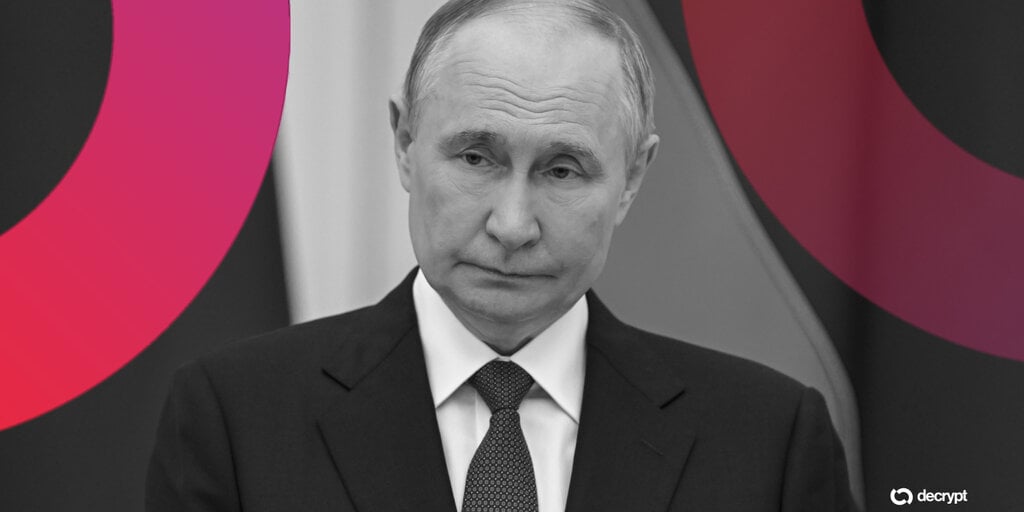
- Putin signed Russia's first comprehensive cryptocurrency law on August 6, 2026, creating a licensed exchange framework supervised by the central bank.
- Licensed crypto exchanges must hold at least 15 million rubles (approximately $187,000) in capital and register by July 1, 2027.
- Non-accredited investors can purchase cryptocurrencies up to 300,000 rubles per year through licensed intermediaries, while using crypto as payment remains banned.
Retail Access and Qualified Investor Framework
Retail access to cryptocurrencies is restricted and tiered based on investor qualification. Non-accredited investors may purchase only the most liquid cryptocurrencies—a list to be disclosed—through licensed intermediaries, with a purchase limit of 300,000 rubles per year per intermediary. Both retail and qualified investors must pass a knowledge test to participate. Qualified investors face no purchase limit. The law guarantees court protection for crypto owners regardless of whether they declared the assets before the law took effect.
Read Next
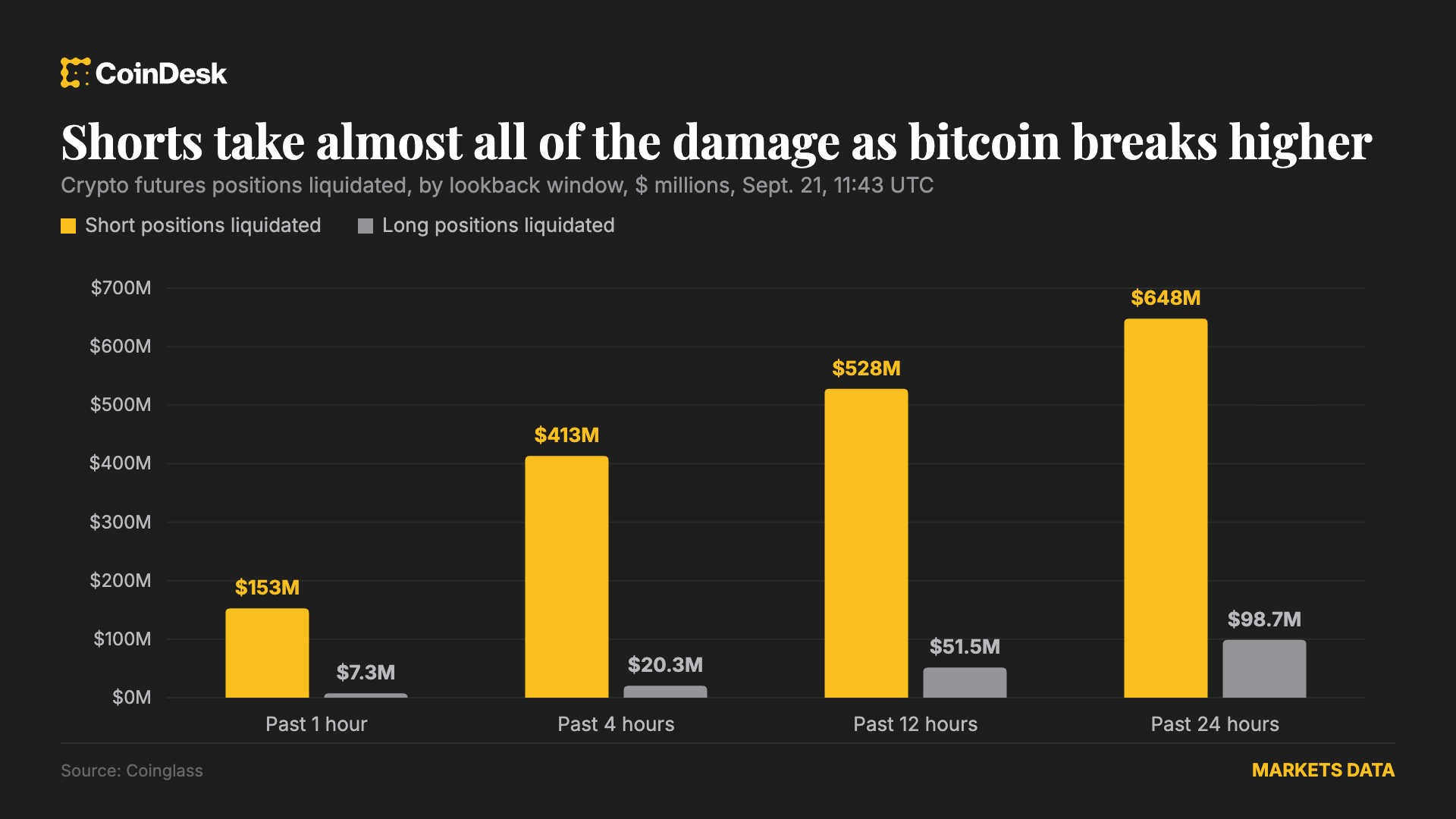
Bitcoin Hits $85,000 as Short Squeeze Forces $648M Liquidation
8 hours ago

Trump Announces U.S. Military Buildup in Greenland Under New Security Deal
2 days ago
Most provisions take effect on September 1, 2026, aligning with the central bank's digital ruble initiative, which bank officials must support by the same date. The framework includes exceptions for cross-border trade settlements between residents and non-residents, deals involving mined coins, and payments within digital asset platforms—carve-outs that Western regulators are expected to monitor closely as Russia faces ongoing international sanctions.
The legislation provides Russian cryptocurrency holders legal standing and access to licensed trading venues for the first time while granting the state a centralized monitoring pipeline through the central bank. This dual outcome reflects the government's intent to create a regulated on-ramp for trading rather than establish cryptocurrency as a parallel currency competing with traditional banking infrastructure.
Related coverage: Bitcoin Hits $85,000 as Short Squeeze Forces $648M Liquidation
Why this matters: The law creates two classes of access—regulated trading through licensed channels and continued prohibition on payments—meaning Russians gain legal investment vehicles but cannot use crypto in everyday commerce. The September 1 implementation date coincides with the digital ruble rollout, suggesting the government is building a comprehensive digital financial architecture under state supervision.
Market Outlook
Expect most crypto exchanges to register before the July 1, 2027 deadline to maintain operations, though the 15 million ruble capital requirement may eliminate smaller operators. Western analysts will focus on the cross-border trade exemption as Russia continues navigating sanctions. The dual framework could serve as a model for other sanctions-target nations seeking to regulate crypto without enabling payment competition.
Sources: Decrypt and other international news outlets.
Disclaimer: This article was produced with AI assistance based on publicly available news sources. While we strive for accuracy, NewsOracle makes no warranty as to the completeness or accuracy of the information. Errors and omissions may occur. Readers should independently verify all information before acting on it. NewsOracle does not intend to defame any individual or organisation and accepts no liability for any loss or damage arising from reliance on this content. Content is for informational purposes only and does not constitute legal, financial, medical, or professional advice. All rights reserved. Unauthorised reproduction prohibited.
NewsOracle Editorial
The NewsOracle Markets Desk covers stock markets, cryptocurrency, economic policy and breaking financial news from Wall Street and global exchanges.
Latest coverage: Cryptocurrency