Jack Dorsey's Block Launches Buzz, Nostr-Based Slack Rival

Key Points
- Block launched Buzz on July 22, 2026, as a free open-source platform designed to reduce dependency on Slack and GitHub.
- The platform gives every human and AI agent its own cryptographic identity through Nostr protocol integration.
- Buzz supports agents built on Claude Code, Codex, and Block's own goose framework, operating as version 0.4.21 with desktop builds for macOS, Windows, and Linux.
The architecture stores every message, reaction, workflow step, code review approval, and git event as a signed event in a single audit trail. Block chose Nostr specifically to solve what it calls the "most fundamental problem" in multi-agent work: establishing persistent, portable identity for autonomous systems alongside human employees.
Model-Agnostic Agent Framework
Read Next

Treasury Sanctions BitBank Exchange Behind Iran's Bitcoin Hormuz Tolls
21 hours ago
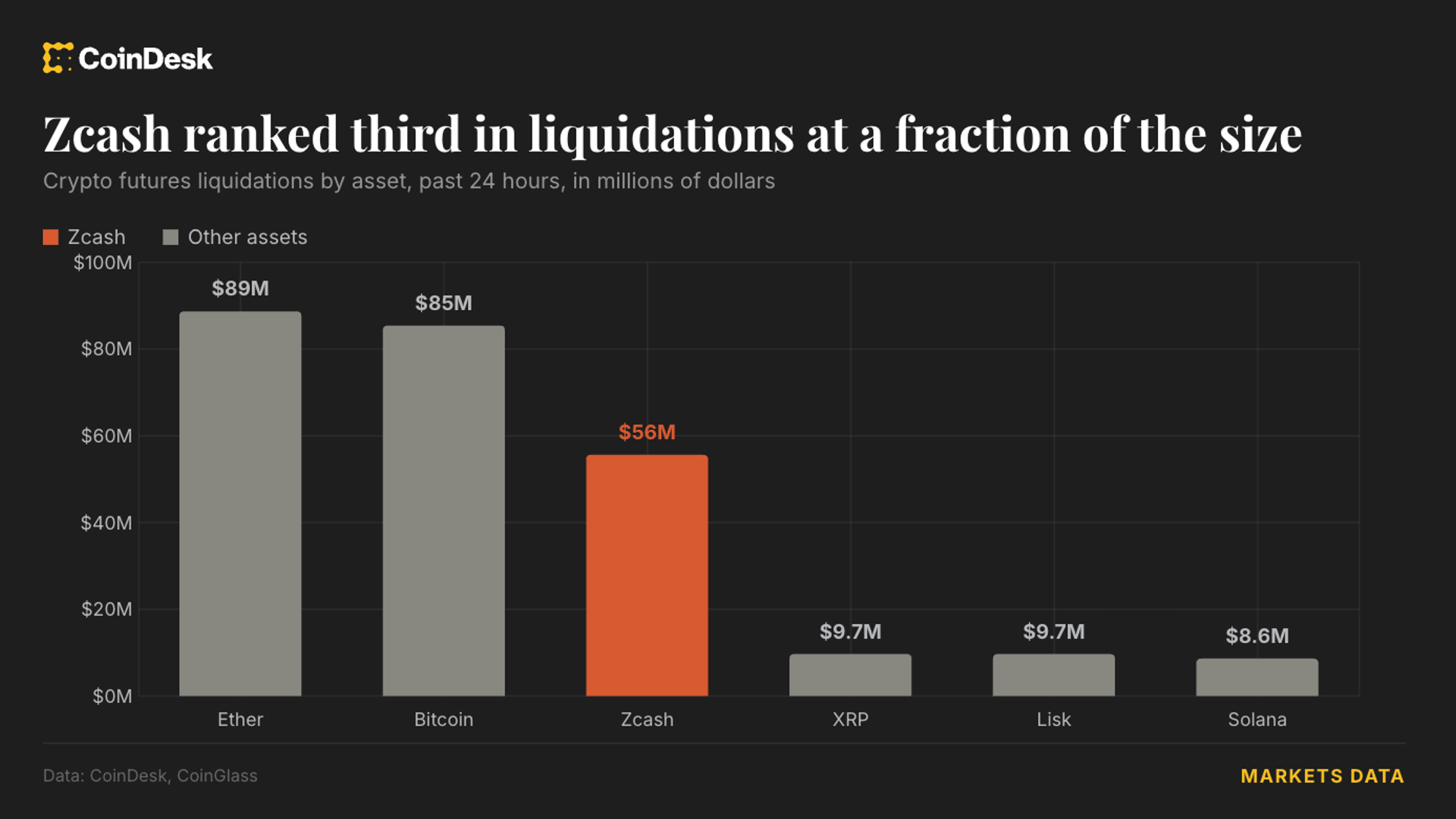
Zcash Jumps 17% as $345M in Crypto Liquidations Hit Traders
1 days ago
Buzz operates model-agnostic, allowing teams to deploy agents powered by any large language model or framework, including Anthropic's Claude Code, OpenAI's Codex, and goose, Block's open-source agent framework released in January 2025. Agents hold defined permissions within the platform, enabling them to post messages, review code, run approved automations, and contribute to conversations alongside human team members.
The software ships as version 0.4.21 with desktop builds available for macOS, Windows, and Linux, while mobile clients remain incomplete. Block published the code under an Apache 2.0 license at github.com/block/buzz, allowing teams to either self-host the platform or use Block's managed version.
Related coverage: Treasury Sanctions BitBank Exchange Behind Iran's Bitcoin Hormuz Tolls
Lucas Isaza, who works on AI and product at Block, argued in internal communications that the tool removes constraints previously baked into workflow platforms like Asana, Jira, and Linear, which shaped operating models as much as the work itself. In Buzz, Isaza noted, a single thread can contain diagnosis, task, fix, and surrounding conversation—condensing what previously spanned multiple tools into one unified record of decision-making.
Agents in Buzz can take user-level actions through CLI commands, create their own channels, and update their own memories, while users establish channel- or thread-specific rules for each agent. Isaza experimented with agents that generate shared whiteboards for every thread, producing what he described as "better context handoffs with no" loss of information, though the statement appears incomplete in available documentation.
Despite the "decentralized" framing, each workspace runs on a single relay serving as its "single source of truth," according to the project's technical repository. This architectural choice centralizes coordination while maintaining cryptographic identity independence.
The platform represents a significant shift in how enterprise teams structure collaboration as AI agents become operational team members. By building identity into the protocol layer rather than the application layer, Block ensures that agent credentials and work history remain portable if organizations switch platforms—a feature unavailable in traditional enterprise tools where agent activity belongs exclusively to the service provider.
Why this matters: If you manage engineering teams or software development workflows, Buzz offers a path to reduce monthly Slack and GitHub expenses while integrating AI agents as persistent team members. The cryptographic identity system also means your AI agents' work history and permissions follow them if your company switches platforms, giving you genuine control over your team's tooling instead of lock-in from proprietary systems.
Market Outlook
Buzz faces significant adoption friction competing against entrenched Slack and GitHub ecosystems with millions of integrated workflows. Early traction will likely come from Block's existing network and open-source communities valuing decentralization, but achieving mainstream enterprise adoption requires proving reliability and security at scale. Expect gradual market share gains through 2027-2028 as AI agent adoption accelerates and teams prioritize agent-human collaboration.
Sources: Publicly available news sources.
Disclaimer: This article was produced with AI assistance based on publicly available news sources. While we strive for accuracy, NewsOracle makes no warranty as to the completeness or accuracy of the information. Errors and omissions may occur. Readers should independently verify all information before acting on it. NewsOracle does not intend to defame any individual or organisation and accepts no liability for any loss or damage arising from reliance on this content. Content is for informational purposes only and does not constitute legal, financial, medical, or professional advice. All rights reserved. Unauthorised reproduction prohibited.
NewsOracle Editorial
The NewsOracle Markets Desk covers stock markets, cryptocurrency, economic policy and breaking financial news from Wall Street and global exchanges.
Latest coverage: Cryptocurrency