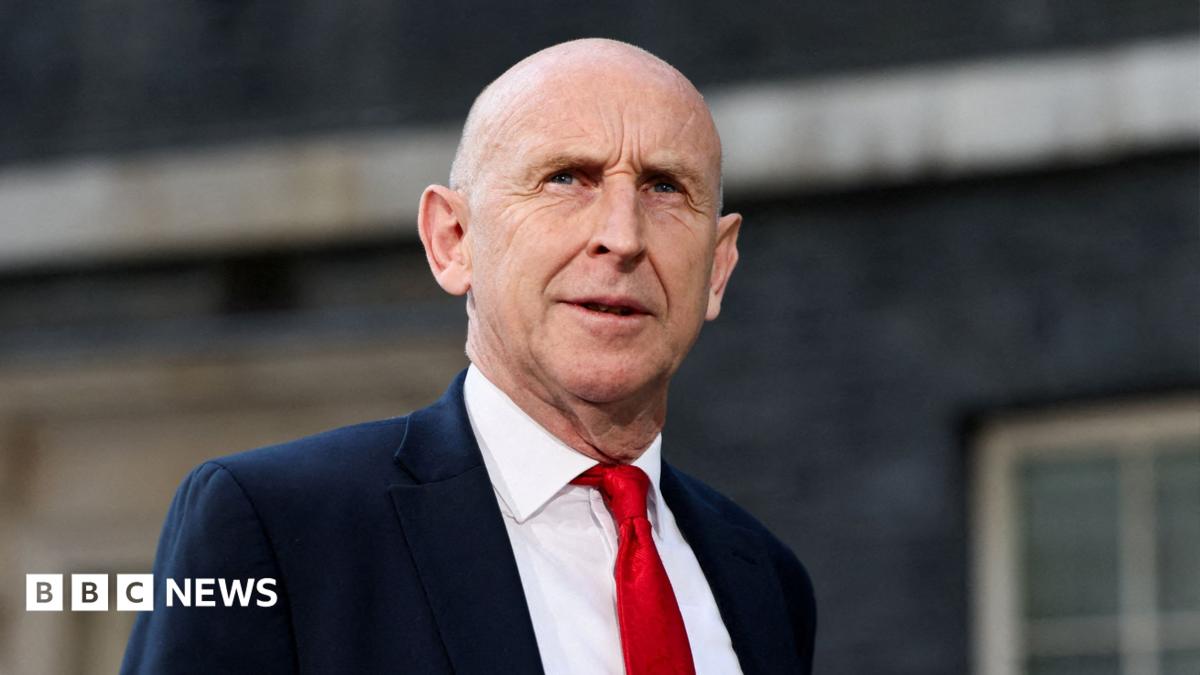
John Healey Named Chancellor: Faces Tough VAT and Defence Spending Choices
Key Points
- John Healey appointed chancellor in Andy Burnham's first cabinet, despite earlier criticism of Treasury policies
- New PM promises VAT cut on household electricity bills from 1 October
- Healey previously demanded 3% GDP spending commitment on defence by 2030 as defence secretary before resigning
Now, as chancellor, Healey must reconcile those demands with fiscal reality. Senior government figures say Burnham and Healey share similar economic outlooks centered on reindustrialisation and devolution. However, the mathematics of meeting defence spending targets alongside other policy promises—including the VAT cut on electricity bills—will test that alignment.
The Burden of Multiple Commitments
Read Next

2 Billion South Asians Face Cost Crisis From Middle East War
21 hours ago

Russia Attacks Ukraine: 19 Injured in Kyiv, Zaporizhzhia, Odesa Strikes
1 days ago
Burnham's early policy announcements carry ambitious scope. The VAT reduction on household electricity from 1 October represents a concrete pledge made at the start of his tenure, signalling intent to deliver for households on energy costs. However, these ideas have, according to BBC Political Editor Chris Mason, "the feel of a Christmas wish list: ambitious but without the costs worked out yet."
The cabinet reshuffle itself carried unusual characteristics. The appointment process extended into late evening on Monday, with ministerial appointments continuing past 22:00 BST. The defence secretary role proved among the last to be confirmed, eventually filled by Wes Streeting, whose resignation as health secretary two months earlier had contributed to the erosion of Sir Keir Starmer's authority.
Related coverage: 2 Billion South Asians Face Cost Crisis From Middle East War
The new cabinet also reflected significant turnover from the previous administration. Key figures including David Lammy, Darren Jones, Peter Kyle, Lord Hermer, Steve Reed, and Rachel Reeves—those closest to Starmer—either left the cabinet or, in Reeves' case, declined a cabinet post after being offered one.
Healey's previous Treasury experience from 2002-2007 provides some operational foundation, but the context differs significantly. The last time a senior minister moved directly from defence to the Treasury while carrying unmet defence spending pledges was in different fiscal circumstances, requiring careful navigation of competing priorities.
The VAT policy specifically targets household energy bills beginning in autumn, a timing choice that suggests the government anticipates the measure will generate popular support during the typical heating season. The cost of this measure to the exchequer remains unspecified in early announcements, leaving the true fiscal impact unclear.
Burnham's cabinet will hold its first formal meeting at lunchtime on Tuesday, marking the beginning of operational governance under the new administration. The priorities outlined—electricity cost relief and defence spending commitments—will define early fiscal decisions.
Why this matters: If you pay for household electricity in Britain, the VAT cut could reduce your bills starting in October. But if that policy strains the budget, Healey may need to restrict spending elsewhere, potentially affecting public services you use. The tension between these competing demands will shape what government can actually deliver versus what it has promised.
What Happens Next
Healey will likely face immediate pressure to quantify the cost of the VAT cut and clarify defence spending timelines. Within weeks, expect detailed spending reviews showing where money will come from. The 3% defence target by 2030 may be reframed with extended timelines or phased increases as fiscal realities become clearer.
Sources: Publicly available news sources.
Disclaimer: This article was produced with AI assistance based on publicly available news sources. While we strive for accuracy, NewsOracle makes no warranty as to the completeness or accuracy of the information. Errors and omissions may occur. Readers should independently verify all information before acting on it. NewsOracle does not intend to defame any individual or organisation and accepts no liability for any loss or damage arising from reliance on this content. Content is for informational purposes only and does not constitute legal, financial, medical, or professional advice. All rights reserved. Unauthorised reproduction prohibited.
NewsOracle Editorial
The NewsOracle Politics Desk covers US politics, Congress, the White House, Supreme Court, global elections and international relations.
Latest coverage: UK Cabinet Reshuffle