England Faces Harry Kane Succession Crisis After Argentina World Cup Exit
Key Points
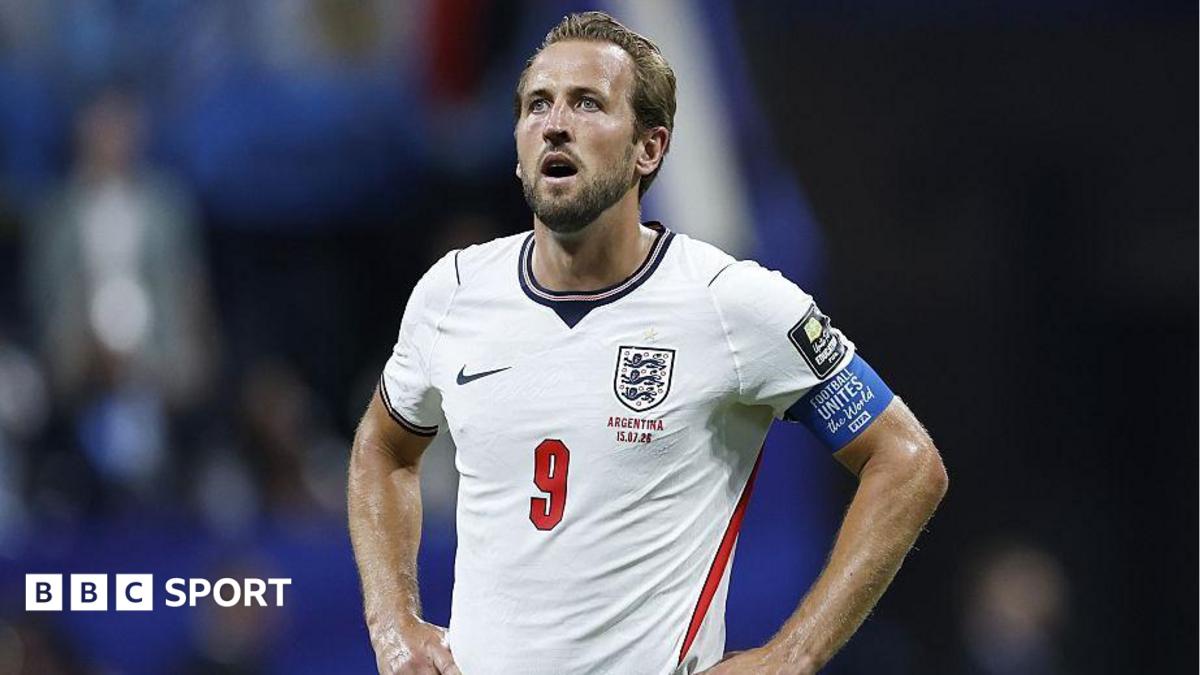
- Harry Kane scored six goals at the 2024 World Cup but will be nearly 37 by the 2030 tournament.
- England manager Thomas Tuchel substituted Kane only twice in seven matches, with Ollie Watkins playing just six minutes total.
- Backup strikers Toney and Watkins are both 30, while Solanke (28) and Calvert-Lewin (29) are England's only other recent options.
England's Striking Options Fall Drastically Short
The bench alternatives offer little reassurance about England's depth. Ollie Watkins, who has proven himself as a dangerous attacking option at club level, appeared in only six minutes of the entire tournament, replacing Kane against Panama. Ivan Toney managed only a handful of minutes at the end of stoppage time in the Argentina defeat. This limited deployment suggests Tuchel did not possess full confidence in his backup options — or potentially in any alternative tactical approach to England's attack.
Read Next
Tuchel's England Squad Explained: World Cup Lessons Applied
21 hours ago

Fitzroy River with 500 Crocodiles Approved for 2032 Brisbane Olympics Rowing
1 days ago
The age profile of England's striker contingent compounds the problem. Both Watkins and Toney are themselves 30 years old, meaning they cannot be viewed as long-term solutions. Tottenham's Dominic Solanke, at 28, and Leeds United's Dominic Calvert-Lewin, at 29, represent the only other strikers used by England in the past 12 months. None of these players carries the goal-scoring pedigree or international experience that Kane has accumulated during his nine years as captain.
England does possess time for structured succession planning. Kane will almost certainly be available for the home Euros in two years' time, providing a window to develop and test alternatives. However, the evidence from this World Cup suggests that window may be closing faster than Tuchel's tactical approach allows. The near-total reliance on Kane's minutes suggests either a crisis of confidence in the alternatives or an absence of a coherent backup strategy.
Related coverage: Tuchel's England Squad Explained: World Cup Lessons Applied
Kane's workload also raises questions about tournament management. His reduced output from open play in the latter stages could indicate fatigue from near-constant pitch time, a concern that will only intensify if England continues down this path without rotation options. The pattern mirrors historical tournament management failures: England has previously struggled when key players carry disproportionate loads without adequate relief.
England's football hierarchy must now confront an uncomfortable reality. The success that Kane's captaincy and goal-scoring prowess delivered — including a Euro 2020 final appearance and now a World Cup semi-final — masks fundamental weaknesses in attacking depth. Without decisive investment in developing alternatives and, critically, without manager commitment to testing them in meaningful minutes, England risks entering future tournaments with the same vulnerability that ultimately proved costly in Atlanta.
For England supporters planning to follow international football over the next two years, this decision becomes crucial. The Euros in your home country will likely feature Kane as a centerpiece, but his performance and the opportunities given to backup strikers will signal whether the coaching staff is serious about building sustainable attacking options. Without it, England may discover that inheriting a false nine system through necessity — rather than tactical choice — is a pathway toward future disappointment.
Sources: Publicly available news sources.
Disclaimer: This article was produced with AI assistance based on publicly available news sources. While we strive for accuracy, NewsOracle makes no warranty as to the completeness or accuracy of the information. Errors and omissions may occur. Readers should independently verify all information before acting on it. NewsOracle does not intend to defame any individual or organisation and accepts no liability for any loss or damage arising from reliance on this content. Content is for informational purposes only and does not constitute legal, financial, medical, or professional advice. All rights reserved. Unauthorised reproduction prohibited.
Sports Desk
The NewsOracle Sports Desk covers breaking sports news from the NFL, NBA, Premier League, UFC, tennis, cricket and major global sporting events.
Latest coverage: Football